From AI User to AI Builder: What Project-Based AI Learning Should Look Like
Real AI learning should move students beyond generating text. Projects can make them define problems, test systems, inspect failures and explain choices.
Research note: time-sensitive claims and source links were reviewed on . Primary sources are listed at the end of the article where available.
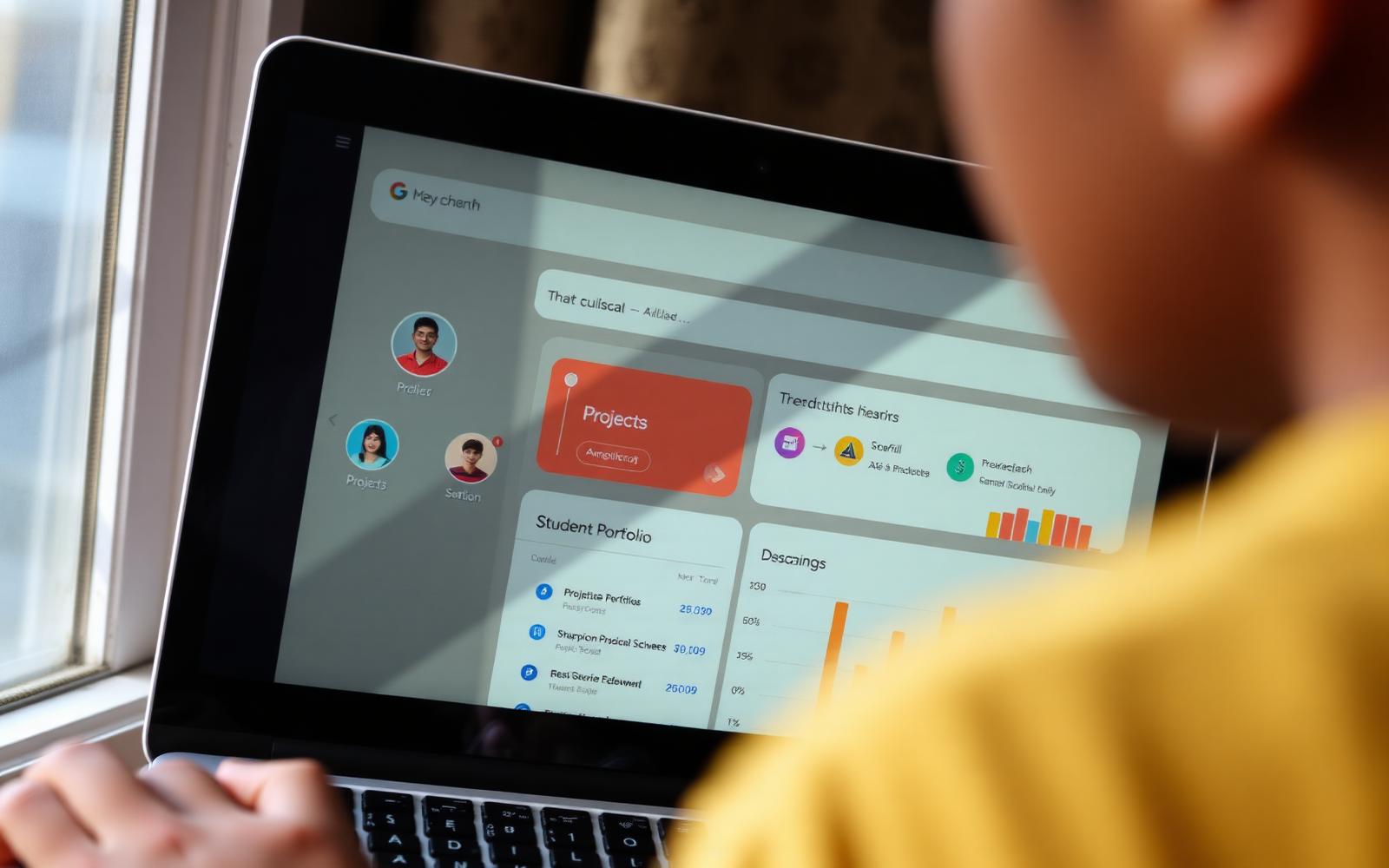
Students can become fluent AI consumers very quickly. They learn which box to type into and how to ask for a summary, image or piece of code. That is not the same as understanding how to use AI to solve a problem responsibly.
UNICEF's study of the Little KITEs programme highlights the value of moving adolescents from software users toward designers and creators through robotics and AI. CBSE's current CT & AI direction also emphasises problem solving, creativity and classroom integration.
A strong student AI project has a visible problem
Start with a user or context: help classmates revise, classify waste images, compare local air-quality information, design an accessibility aid, or prototype a question-answering system over approved school material. The student should be able to explain why the problem matters.
It also has visible failure
The project becomes educational when students record what did not work: hallucinated answers, inconsistent classifications, bad prompts, poor data, bias, confusing interfaces or privacy constraints.
The final artefact should show process
- Problem statement and intended user.
- Inputs or data used.
- Model/tool choice and why.
- Tests and failure cases.
- Changes made after testing.
- Ethical or privacy considerations.
- A short demonstration and reflection.
That portfolio is far more informative than a certificate saying a student 'completed an AI workshop.' It shows the student can make decisions, encounter uncertainty and explain a result.
A project ladder for Classes VIII-XII
Not every student needs to train a model from scratch. Start with age-appropriate layers. Younger students can classify examples, compare rule-based automation with AI and investigate errors. Older students can build no-code prototypes, use APIs in controlled environments, work with datasets or design evaluation tests. The sophistication should come from better questions and testing, not simply more complicated software.
A useful progression is 'use, inspect, modify, build, evaluate.' Students first use a system, then inspect how it behaves, change one part of the workflow, create a small solution and finally evaluate where it fails. That sequence turns novelty into understanding.
How to make the project marketable without exaggerating it
Schools can showcase student AI work powerfully if they tell the real story: the problem, the prototype, what failed and what the student changed. Avoid phrases such as 'industry-ready AI engineer' after a short project. A candid demonstration of iteration is more credible to parents, colleges and future mentors.
- Show a two-minute demo.
- Show one failure case.
- Show one student decision the tool did not make for them.
- Show the reflection on privacy, bias or accuracy.
Give every project a public-explanation moment
A short presentation, demo booth or recorded walkthrough forces students to move beyond a working interface. They must explain the problem, the role AI played, one limitation and one decision they made. Those questions expose shallow understanding quickly and give quieter technical work a communication component.
With consent, selected explanations can become high-quality school marketing because they show authentic student reasoning. The school should showcase the work as learning evidence, not edit it into an exaggerated claim about professional readiness.
Sources and further reading
Want to test this in your school?
OnliGrow is being built to turn these ideas into a structured school program. A useful pilot starts with your context, not a standard promise.
Discuss a pilot